

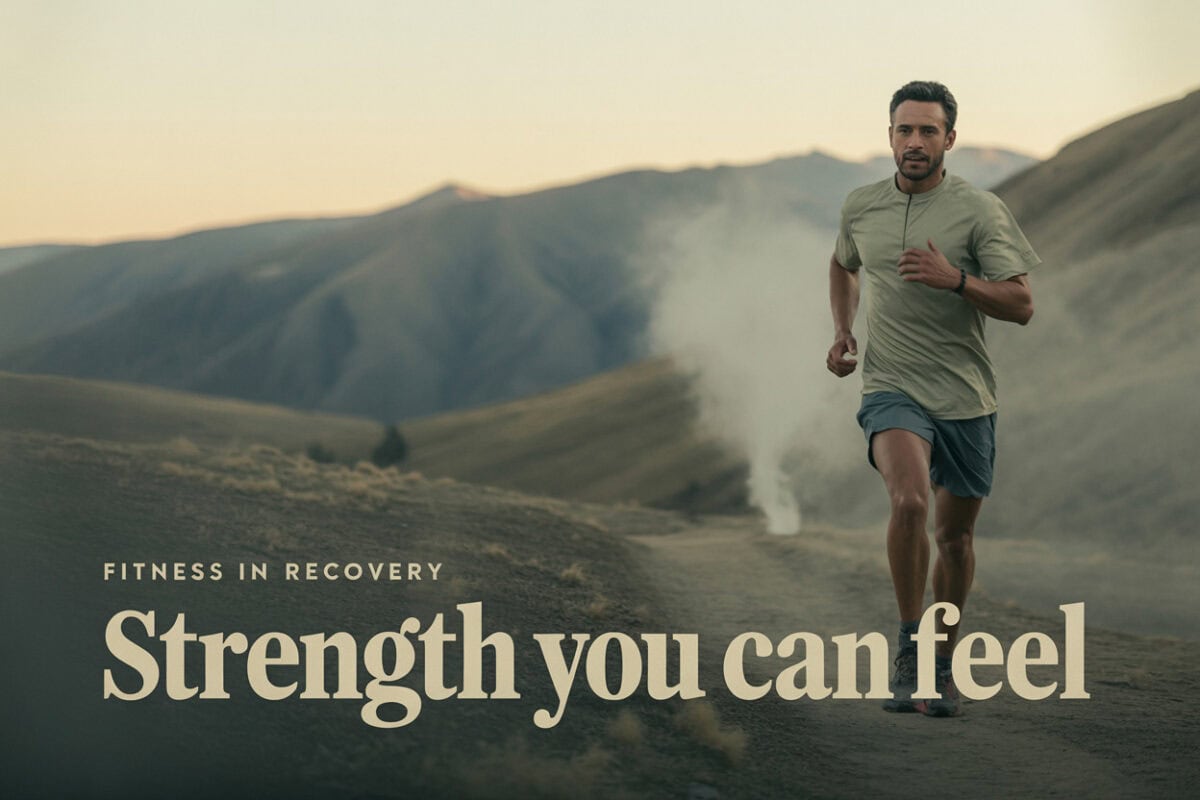
Addiction takes a physical toll long before a man is ready to admit it: the lost sleep, the soft middle, the bone-deep fatigue, the sense of living in a body that no longer feels like his. That is why physical fitness is not a side activity in recovery. For many men, it is one of the load-bearing pillars of getting well.
What movement does for the recovering brain
Substances flood the brain’s reward system with dopamine and, over time, blunt it — which is part of why early recovery can feel flat, anxious, and joyless. Exercise is one of the most reliable natural ways to begin repairing that system. It raises dopamine and endorphins, lowers stress hormones, and improves the sleep and mood that addiction wrecked.
It also directly targets cravings. Research suggests physical activity can help reduce substance use and protect against relapse, partly by giving the brain a healthy source of the reward it has been chasing chemically.
A hard workout offers a clean version of the thing addiction promised and never delivered: a body that feels alive.
More than physical
For men, fitness in recovery does something beyond the physiological. It rebuilds agency. After months or years of feeling powerless, lifting a heavier weight or finishing a longer run is concrete, undeniable proof that effort changes outcomes — the same principle the rest of recovery runs on.
It also provides structure, a healthy outlet for restlessness and anger, and, in a program setting, a sense of brotherhood. Men who sweat together tend to open up together. The broad benefits of regular activity — better mood, sharper thinking, stronger sleep — are exactly the foundations early recovery needs.
How we build it in
At Valiant Living, fitness is woven into our wellness program alongside nutrition, yoga, and time outdoors, not bolted on as an afterthought. The goal is not to turn every man into an athlete. It is to help him reconnect with a body he may have spent years numbing, and to leave treatment with a sustainable habit that supports lifelong recovery.
You do not need to be fit to start. You need to be willing to move — a walk, a stretch, ten minutes. The strength builds from there, and it is a kind of strength a man can actually feel.
To learn how our integrated program for men 26+ supports the whole person, call (720) 669-1285 or begin admissions today.
Frequently asked questions
Yes. Exercise helps repair the brain’s reward system, raises dopamine and endorphins naturally, lowers stress, improves sleep and mood, and can reduce cravings and protect against relapse.
No. You only need to be willing to move — a walk, a stretch, ten minutes. Fitness in recovery meets you where you are and builds gradually.
Fitness is woven into our wellness program alongside nutrition, yoga, and time outdoors, with the goal of leaving treatment with a sustainable habit that supports lifelong recovery.
