Navigating the Holidays in Recovery
with Dr. Jake Smith Jr.
Family gatherings can be triggering during the holidays. This episode explores how addicts and loved ones can stay grounded, set boundaries, and care for themselves during the season.




Family gatherings can be triggering during the holidays. This episode explores how addicts and loved ones can stay grounded, set boundaries, and care for themselves during the season.
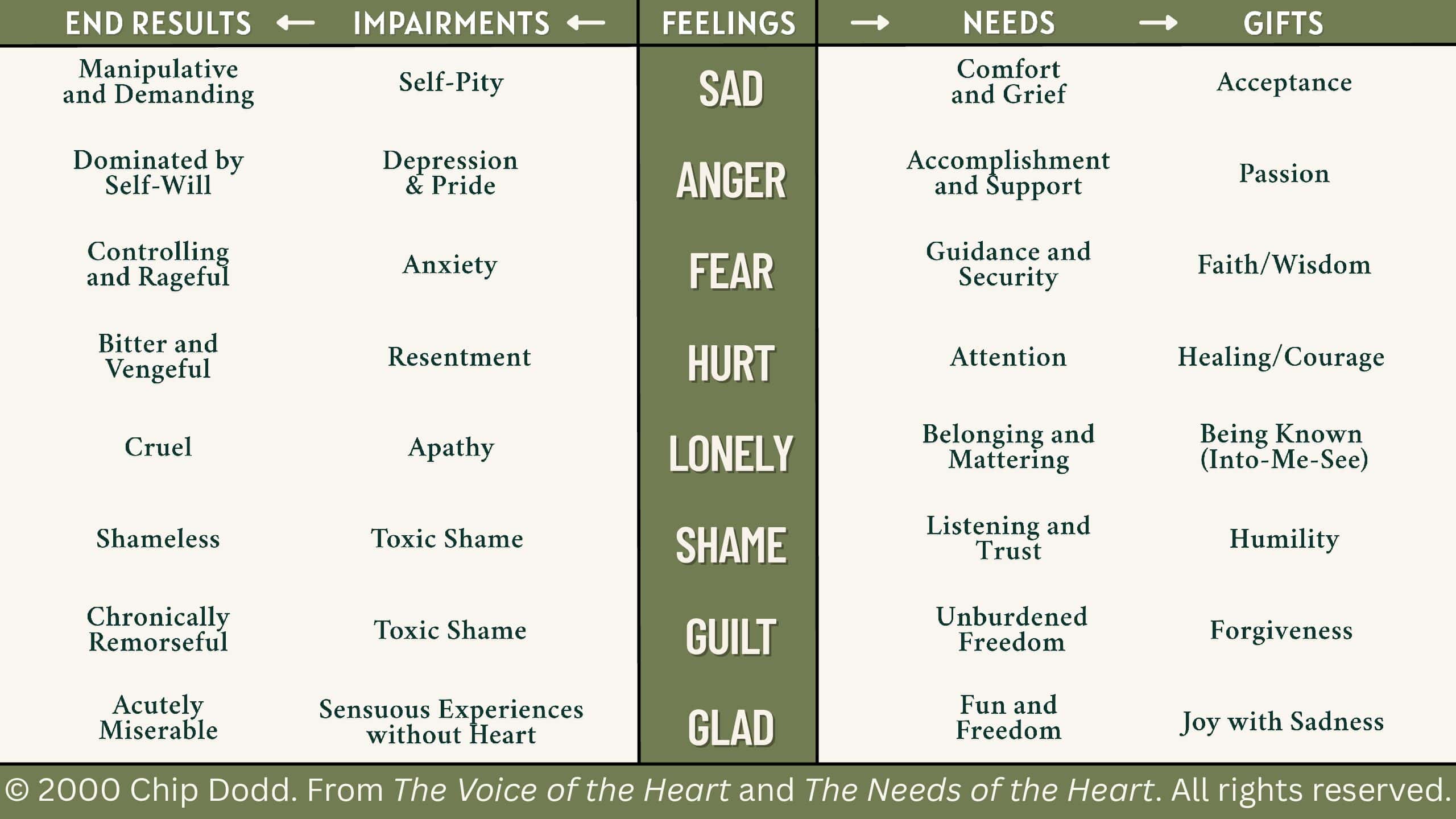
The holidays carry a unique charge for people in recovery: bright rooms, old scripts, and layered expectations can pull the body into threat mode even before the first toast. We explored why December amplifies emotion and why the brain’s limbic system doesn’t track time; a look or tone from a parent can collapse decades and place you back at age nine. That’s why triggers feel instantaneous and overwhelming. The point isn’t to argue with the feeling’s logic. It’s to relate to it. Affect labeling provides a map: name the feeling, find the need, take responsibility for meeting that need in a healthy way. This simple loop shifts us from reaction to agency and stops the codependent habit of making others responsible for our inner world.
We used the eight core feelings framework popularized by Chip Dodd to simplify self-awareness without drowning in a feelings wheel. Anger, hurt, fear, sad, lonely, shame, guilt, and glad act like primary colors; combinations produce the complex hues we live. Two keys stand out: anger and glad are never alone. Pair anger with fear, hurt, or sadness and you find the true driver; pair glad with shame or fear and you uncover vulnerability beneath joy. When we refuse to feel, emotions don’t vanish—they impair. Loneliness, unfelt, slides into apathy. Fear ignored becomes anxiety or control. Learning the gifts associated with each feeling reframes discomfort as guidance. The gift of fear is protection, help, and refuge. The gift of sadness is honor and attachment to what we value.
Holidays intensify relapse risk not just because substances are accessible but because connection is hard work. The opposite of addiction is connection, not sobriety. Real connection requires us to feel our own feelings, allow others to feel theirs, and honor the needs that arise. When that feels too heavy, we drift to numbing—alcohol, porn, gambling, even spiritual bypassing. We named the window of tolerance as a practical threshold for staying present: a charge between four and seven is tolerable; eight to ten means your feelings are driving. When you spike, there’s one goal—lower the charge. You do that by detaching from thoughts and getting into your body through your senses: a slow walk in the cold, a long shower, doing dishes, beginner yoga. But you must give full attention to sensation—heat, pressure, scent, sound—or you’ll keep ruminating and stay escalated.
Proactive rhythms beat heroic rescues. Daily check-ins with a sponsor or partner create a gym for the heart. Start with curiosity, not fixing. Ask what questions instead of why to avoid shame and keep the conversation at the level of experience: What’s that like? What impact did that have? What feels at risk? When feedback is invited, speak from your inner world, not prescriptions for theirs. Boundaries protect connection when they limit you, not control others: I don’t discuss politics; I’ll be there three days instead of five; I’m staying off-site so I can rest. You don’t need to announce most boundaries—hold them calmly. Loved ones carry their own fears. Use the three buckets of control: what you fully control (check-ins, lodging, exits), partial control (expectations you can voice), and no control (others’ sobriety), which you surrender and, for many, pray through. The deeper aim is presence. Presence grows when you occupy your senses: smell the cider, feel the blanket, watch the lights. Happiness follows attention. Choose presence over perfection and connection over control; that’s a holiday you can stand inside without losing yourself.