

The 5 Pillars of Wellness
with guest Malissa Fantanarosa
Prefer to listen?
About This Episode
Wellness that makes recovery last
Recovery was never just about stopping a behavior. It’s about rebuilding your relationship with yourself, and building a life where all of you gets healthy. That’s the idea behind the Five Pillars of Wellness: Spiritual, Physical, Mental, Emotional, and Social. These five areas shape the wellness programming our clients experience every single day at Valiant Living.
Host Drew Powell sits down with Malissa Fantanarosa, Director of Wellness at Valiant Living and the creator of the Five Pillars framework, for a conversation about what she calls experiential healing: the breakthroughs that happen not in a therapy chair, but on a trail, waist deep in cold water, in a sweat lodge, or in a sound bath. Malissa explains how wellness is woven into every part of treatment at Valiant, why movement and connection are the antidotes to what addiction takes away, and the simple weekly practice she leads every Monday: one small, achievable goal in each of the five pillars.
She also shares the story behind the couples version of the weekly check in, born when one client’s wife leaned all the way into the recovery process alongside him, and clears up the biggest misconception families have when they hear their loved one is headed out on a camping trip. These aren’t vacations. They’re experiential immersions, carefully planned, therapist supported, and often where the deepest healing happens.
Whether you’re in recovery yourself, supporting someone you love, or a clinician walking alongside clients in your own practice, this conversation gives you a framework you can start using this week. And the free guide below turns it into a weekly practice.
What You’ll Take Away
Key ideas from the conversation
- Why recovery is really about rebuilding your relationship with yourself, not just stopping a behavior.
- What experiential healing means, and why breakthroughs so often happen in nature instead of the group room.
- The weekly practice at the heart of the framework: one small, achievable goal in each pillar, checked on all week.
- How the couples check in gives partners a new way to talk about what each person needs, and what they need together.
- Why connection is the antidote to addiction, because the opposite of isolation is connection.
- What really happens on Valiant’s experiential immersions, and why they’re sacred space, not vacations.
Episode Chapters
Jump to a moment
Free Download
The Five Pillars of Wellness Guide
Reflection questions and weekly check ins for individuals and couples
Take this conversation into your week. This free guide walks through all five pillars with reflection questions for each one, plus printable weekly check in pages you can use on your own or with your spouse. It’s the same framework our clients use at Valiant, made simple enough to start today.
Enter your email and we’ll send the guide straight to your inbox.
About the Guest
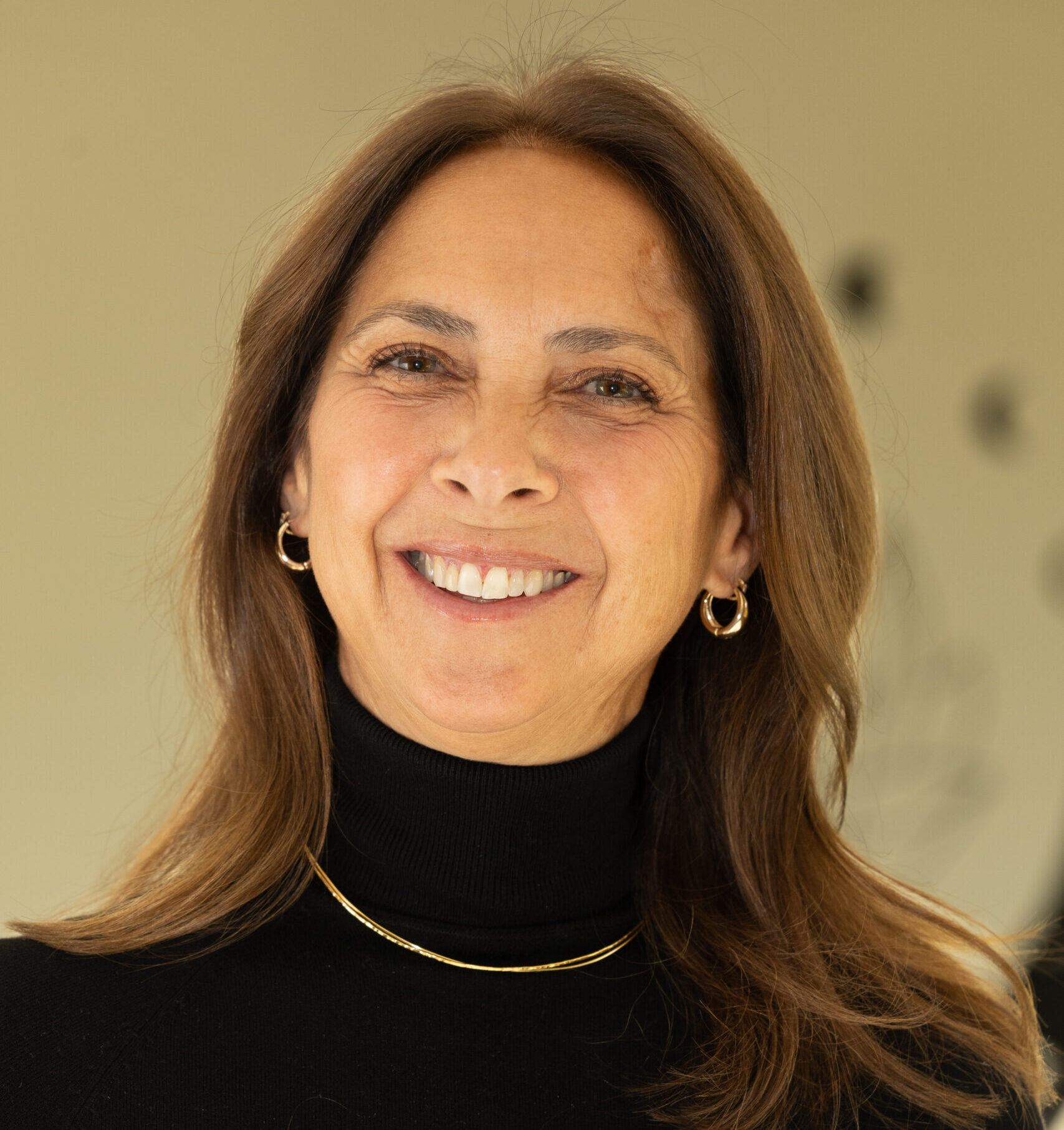
Malissa Fantanarosa
Director of Wellness · Valiant Living
Malissa Fantanarosa is the Director of Wellness at Valiant Living and the creator of the Five Pillars of Wellness framework. She leads the wellness programming our clients experience every day, from movement, breath work, and yoga to the experiential healing days and multi day immersions where some of the deepest work happens.
Malissa brings three decades of teaching yoga and leading teacher trainings to her work at Valiant. Her approach is practical and unintimidating: small steps, done consistently, that add up to real change.
Your host: Drew Powell is the host of the Valiant Living Podcast, where he shares conversations on recovery, faith, healing, and connection, and stories from those living in recovery.
Come See Valiant for Yourself
For clinicians, treatment professionals, and referral partners: join us for a monthly facility tour at our Greenwood Village campus. Meet our clinical team, see the program in action, and connect with others doing this work.
Schedule a TourRead the full episode transcript +
Welcome and the Wellness Framework 0:00
Drew Powell Hey everybody, welcome back to the Valiant Living Podcast. I’m Drew Powell, a recovery advocate here at Valiant and an alumnus of the program myself. Today’s conversation is one I’ve been looking forward to, because if you’ve been around Valiant for any amount of time, you know Malissa, and you know our wellness program. It’s one of the shining stars of what we do here. Today we get to talk about the Five Pillars of Wellness: spiritual, physical, mental, emotional, and social. It’s the framework behind so much of what happens here, because we believe recovery was never just about stopping a behavior. It’s about building a life where all of you gets healthy. There’s no one better to walk us through it than Malissa herself. She’s our Director of Wellness, she created this framework, and our clients experience wellness every single day because it’s integrated into every part of our programming. We’ve also created a free resource for you at ValiantLiving.com/episode66 that unpacks the five pillar framework, along with the worksheets we use. Let’s jump in.
Drew Powell I get to sit down with my good friend Malissa, and right before we hit record you gave me a new term that I love. Can we start there?
Experiential Healing and Why Nature Works 2:15
Malissa Fantanarosa It better defines what we do within the realm of wellness. Every Thursday and Saturday we have something called an experiential day. As I was thinking about how to describe the Five Pillars approach, I kept coming back to what happens on those experientials: healing happens. A deeper, different kind of healing. I’ve witnessed some of the most powerful breakthroughs these men have shown, and they don’t necessarily happen sitting in a therapy chair or in a group room. Those are powerful places for connection. But so many times these breakthroughs happen when we’re on trails, when somebody’s waist deep in cold water, in the sweat lodge, in a sound bath. So I want to start referring to them as experiential healing.
Malissa Fantanarosa We don’t just take everyone to a trailhead, go for a hike, and hop back in the van. We build in deep process time, whether it’s around a topic introduced on Monday or a theme I’m working on with the clients that week. And there’s just something about being in nature that allows us to feel less inhibited, less guarded, more free. I’m a nature and wilderness junkie at heart. That’s my medicine. But it’s not for everyone, and a lot of this is about trust. When I’m leading an experiential healing exercise, the foundation has to be trust. Do they trust me to bring them to this destination? Do they trust me when they’re literally outside their comfort zone?
Drew Powell It’s what allows us to go deeper into the therapeutic work. I’ll speak from my experience: in PHP you’re in therapy most of the day, group work, individual sessions. By the time Thursday comes, you’ve been doing a lot of work, and it doesn’t surprise me that in these experiential healing settings, that’s when a lot of stuff starts bubbling up. That was my experience. A lot of the great work was done on a hike, or while we were fly fishing. It gives the emotional weight space to breathe, space to process. You do a brilliant job of creating space for the guys to talk.
Wellness Woven Into the Program 7:22
Drew Powell What I love is that wellness is not an add-on. It’s woven into the fabric of our programming. When a guy comes into our program, we introduce him to the Five Pillars right from the get go. Can you talk about that?
Malissa Fantanarosa We’re very passionate about that, because anyone can take a yoga class once in a while or be guided in a meditation. One of the biggest misconceptions about recovery is that it’s just about stopping a behavior. In my experience, recovery is really about rebuilding the relationship with self, from the inside out. So we look at what fuels us on a physical level. Why is it so important to literally move the body? We do walk and talk exercises, getting folks out in the first sunlight of the morning, moving, doing some light stretching. Movement gets shoved down when folks are in active use. Movement is key.
Malissa Fantanarosa Then, why is connection so important? One of the five realms is the social realm. What happens in active addiction? We isolate. What’s the opposite of that? Connection. Community. Beginning to trust again so we can open up to others and share our lived experiences, our fears, our traumas. And then the spiritual realm. Spirituality to me is not religion. It certainly can be. But spiritual wellness is about connection to nature, to your purpose, to your values, to something bigger than our egos and bigger than our fears. A lot of people rediscover that when they start to heal. Somebody comes back from one of our more challenging hikes, where I want these guys to feel the power of their legs and challenge their lungs on the steeper climbs, and they say, something shifted in me today. And I say, don’t dismiss that. Don’t try to figure it out right away, but don’t dismiss it. Feel into it.
Drew Powell This morning I woke up lacking motivation. My default was to scroll on my phone, doing things that weren’t helping me get out of the funk. And it hit me: I’m going to go on a walk. Forty five minutes later I was home, good to go for the day. It sounds simple, but before recovery I wouldn’t have done that. I would have stayed in that funk, disconnected. And that’s what eventually leads to addiction: I’m not connected to myself, to my feelings. During the walk I was present, I named things I was grateful for. That’s what leads me into recovery, into connection.
Malissa Fantanarosa Before we list the pillars, way to go. That’s the whole idea. When someone walks out of this program, obviously you want them sober, but I want them to leave with a toolbox for living a connected, purposeful life. You went back into that toolbox, recognized a walk would be great, and you brought gratitude into it. Research shows gratitude practices help us establish a deeper sense of peace and stay in it, despite the chaos that arises around us every day.
Drew Powell Recovery is won in those small daily moments where you choose connection. My alumni brothers who are staying true to recovery are winning the battle with little choices every single day. It’s the walks, the workouts, the meetings, the therapy. The small things matter in recovery.
The Five Pillars and Weekly Goals 15:17
Malissa Fantanarosa Somebody new in recovery might look at that list of things and think, where do I even start? So the way we’ve designed the Five Pillars of Wellness, it’s integrated throughout everyone’s treatment plan, and there are five areas: physical, mental, emotional, social, spiritual. Every Monday I lead a 75 minute process group where each man fills out a sheet: in each realm of wellness, one small, basic, achievable goal for this week. And I push for specificity. Not “pray more often” but “pray each day” or “go to church on Sunday.” Be as specific as you can, but keep it tight, keep it small. Then we can look back and see where there was progress, or where something fell off and you want to come back to it.
Malissa Fantanarosa Most of us are overwhelmed. Information overload, expectations we place on ourselves and that others place on us, all the roles we carry. So I always start by saying this exercise is not intended to make your life more complicated. It’s intended to simplify your life and keep you on target for this week. Even just for today. These guys come back with amazing goals. They put real thought into it. Then I do check ins. I see them every day, but on our Wednesday walks I’ll ask, how’s that goal coming along? And I encourage them to hold each other accountable.
Accountability and the Couples Check In 17:45
Malissa Fantanarosa If your goal is to get to the gym three times this week, challenge each other. Ask, do you want an accountability partner in it? Emotionally, are you opening up more? Is something going on at home that you’re working through with your spouse or your children, and how are you communicating that from your heart? How is the work you’re doing with your therapist translating into the way you communicate in your relationships? It’s all interconnected. It gives these guys a roadmap.
Malissa Fantanarosa I recently extended it and created a five pillars check in for couples. We had a client whose wife was really alongside him throughout this process back home. She was seeing a therapist, going to recovery meetings, listening to podcasts, reading books, really trying to understand the why behind her husband’s addiction. Throughout the process they kept coming closer together, which was beautiful to watch, because that’s not always the case. She wanted to understand what I’d been working on with him, so I said, let me see if I can put something together for the two of you. Now they sit down on Sundays. What are our goals for the week individually? What are my non-negotiables to maintain balance physically, spiritually? And then, what can we do together? What do we need? One week their “we need” goal was: we need to start prioritizing evening walks after dinner. So simple. But if they stay consistent, maybe they’ll discover something new about their relationship.
Drew Powell You’ve taken it from philosophical to practical. And you’ve given us permission to give out a resource about the five pillars, free to anybody who wants it, which will be connected to this episode. Thank you for that. I’m curious though, are there misconceptions that come to mind when someone hears wellness or experiential healing? Sometimes it helps me to define something by what it’s not.
Malissa Fantanarosa Our experientials are incredible. In the wintertime we do ski trips once or twice a month. In the summertime we do camping trips every six to seven weeks. And I think sometimes when a family member hears “he’s going on a three or four day camping trip,” there can be misconceptions about what that looks like. It’s not up to me to share the details of what happens on those trips, because that’s sacred space for a person who’s healing. He can share it when he returns home, if he deems it appropriate.
Malissa Fantanarosa We’ve actually reframed the language. They’re no longer camping trips. They’re experiential immersions. We’re taking these guys out for three or four days into nature and immersing them. There’s a whole plan before we go. We’re diving into emotions, into trauma, into healing. There’s at least one therapist on every one of these trips, so if an individual hits a hard roadblock, they can step out and go for an individual walk with that therapist. There’s a lot of healing that occurs on those immersions. It gets us off the grid, away from the tech, away from the day to day. There’s a lot to be said for daily structure, and there’s also a lot to be said for the unstructured healing that happens when we’re away. A new therapist recently said to me, “Oh, you’re the wellness director. You do all the fun things.”
Inside the Experiential Immersions 25:48
Drew Powell I’ve been on these experientials, and they are fun, but they get very real. They get intense, because a lot comes up. I understand why a wife or a parent might see their loved one on Pikes Peak and think, what is going on? Especially if they’re dealing with their own trauma and hurt. Speaking from my experience, Jamie now has a great understanding of why we do what we do and why it was so pivotal to my recovery. Early on, she may have been confused. So I’m glad you explained the intention and the purpose behind it.
Malissa Fantanarosa What happens through that experiential healing is very personal to each individual. My hope is that people will rediscover themselves. We just did an exercise called The Man I’m Becoming. Being in treatment is the opportunity to do this deeper work, and there are a lot of ways to do it. We live in a state with tens of thousands of trails. There is so much nature to be explored, and it’s a different approach to introducing someone to a way to heal, a way to rediscover who they are. It truly feels freeing to be immersed in these environments.
Malissa Fantanarosa And it doesn’t always have to be in nature. We have a wonderful housing tech, Jonathan, who is that and so much more. He does breath work with our clients a couple of times a week, and these beautiful guided meditations. Often, through the more challenging breath work, something comes up for people. It’s somatic. It’s an unlocking. We suppress our emotions and push everything down, but when the body gets into that heightened state while knowing we’re safe, a lot of really interesting things can arise.
Drew Powell You bring so much intention to every gathering, whether it’s yoga, Pilates, breath work, or nature. There’s always a theme, an intention, a conversation. I used to joke that you were reading my mail every week. How does she know exactly what I needed this week? But I think that’s just how it works in recovery. Our higher power knows what we need when we need it.
Weekly Themes and Letting Go 31:04
Malissa Fantanarosa A lot of people ask where I come up with these themes week in and week out. Much of it comes from three decades of teaching yoga and leading teacher trainings. I’ve immersed myself in that way of living, and I hope to model it to some degree. It becomes a way of being. I used to exist very differently, until I started to pay close attention, bring awareness, and open myself to the possibility of change.
Malissa Fantanarosa This week we’re talking about non-attachment. What are we clinging to, and why? Emotions, relationships, material possessions, thoughts around our addiction, thoughts around our trauma. The old stories, the guilt, the shame, the anger, the need to control. If we stop and ask ourselves why am I not letting that go, the answer can get a little scary. On Thursday, when we go on our big experiential healing adventure, our clients will be picking up rocks along the way and writing those things on the rocks. The rocks go in the backpacks, and we come to a point where we stop and ask: how heavy is that backpack? How heavy these things become, when it’s so simple to get light. Just start taking them out. But we have to look at the why. We can’t just name them and walk away. Every attachment has a cost. The tighter we grip, the heavier life becomes.
Final Thoughts and the Free Guide 35:08
Malissa Fantanarosa We’re all healing from something. Be mindful and pay attention to all these different areas of your life that are calling out for attention and support. That holistic approach to healing is what’s sustainable long term. These are easy tools to access, and you’ll have the guide that’s shared as part of this podcast. I love helping communities create around things like this, and I’m always willing to have conversations with folks who want to go deeper.
Drew Powell Malissa, thank you so much. I’m grateful for everything you bring to Valiant. You make wellness feel doable instead of one more thing on the list. If today’s conversation hit home, we put together a free guide that goes deeper on all five pillars, with reflection questions and weekly check ins you can use on your own or with a spouse. It’s called The Five Pillars of Wellness, and you can grab it at ValiantLiving.com/episode66. And if you’re listening because someone you love is struggling, or maybe you are, I want you to hear this: you don’t have to figure this out on your own. Our admissions team is at 720 669 1285, or visit ValiantLiving.com. That call is just a conversation. No pressure, just people who get it and want to walk with you. Thanks for listening to the Valiant Living Podcast, and we’ll see you next time.
You Don’t Have to Do This Alone
Help is closer than you think
If you or someone you love is struggling with addiction or trauma, Valiant Living helps men and their families move from crisis to stability through clinically driven care, community, and hope.